WaterCalcLab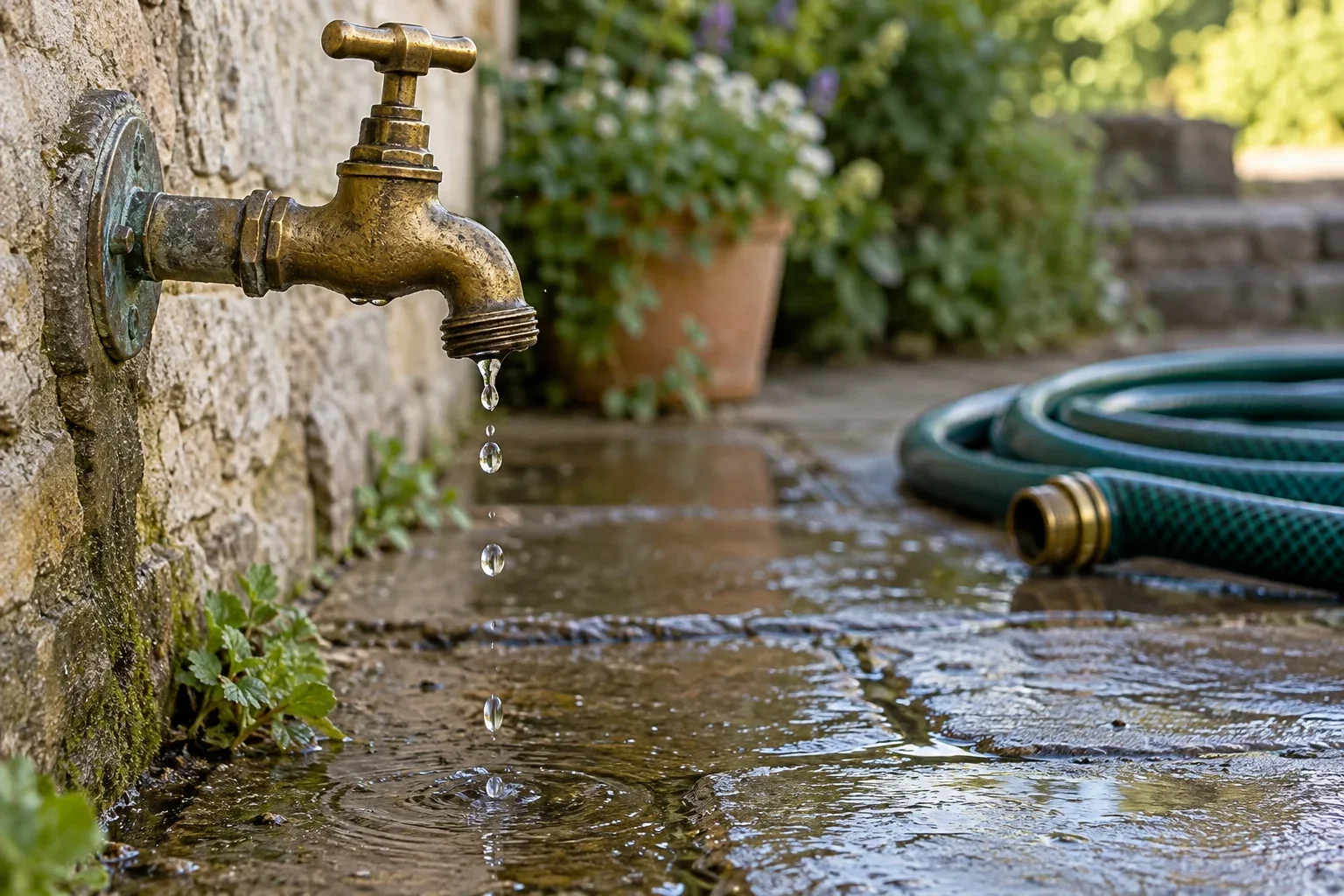
Look for symptoms, then identify the source
Unexpected bills, damp areas, dripping fixtures and irrigation running after shutdown can signal unnecessary consumption. Start with an observation log including time and which equipment was operating. Avoid assuming every damp patch is a pipe leak; rainfall, drainage and other causes can produce similar symptoms. Investigate systematically before choosing a repair.
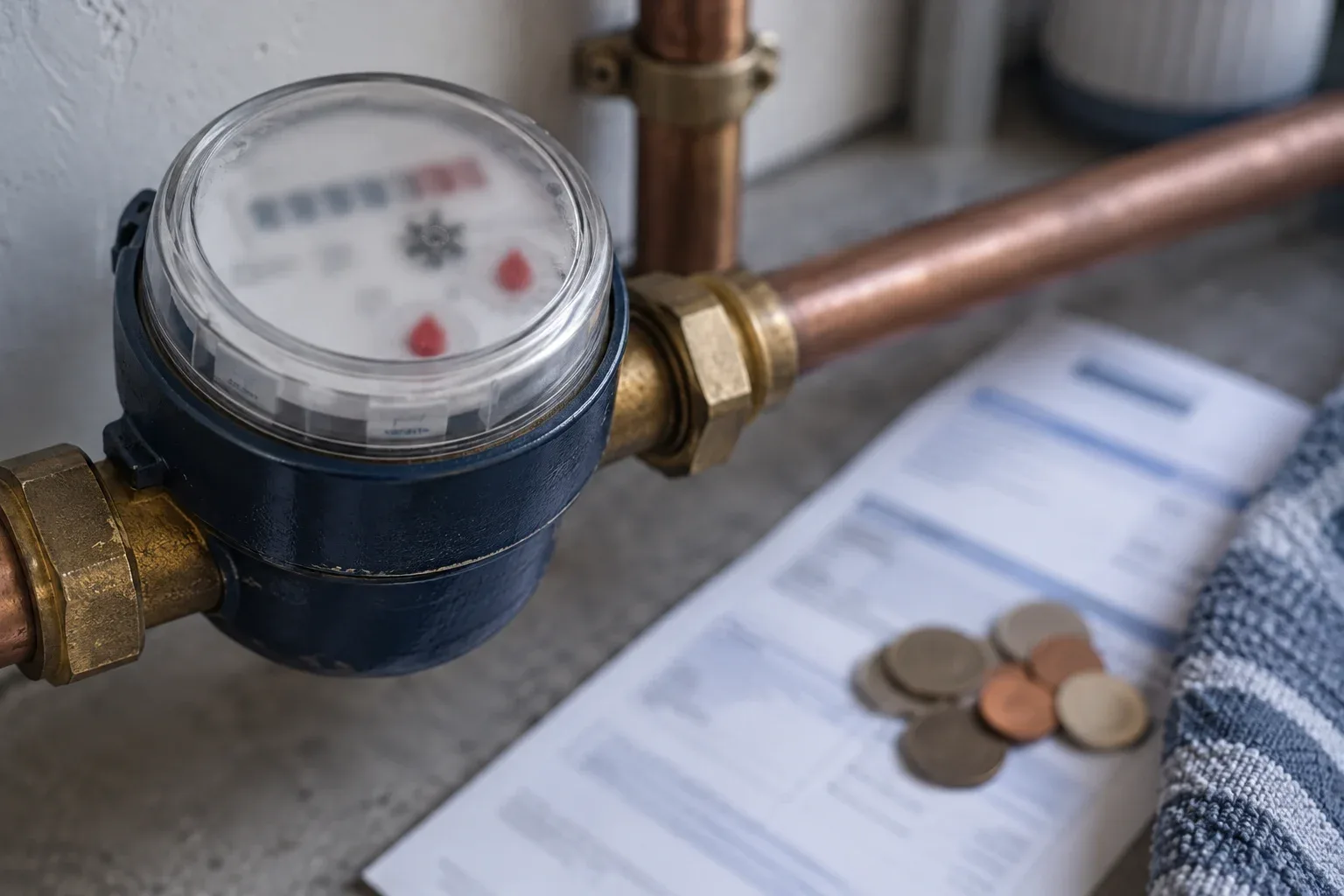
Use a controlled no-use meter check
Choose a period with taps closed and account for automatic appliances, irrigation and other scheduled uses. Record the meter and read it again after a known interval. A change shows water passed the meter; it does not identify the location by itself. Follow up with appropriate isolation or qualified plumbing help without interfering with shared or essential supply.
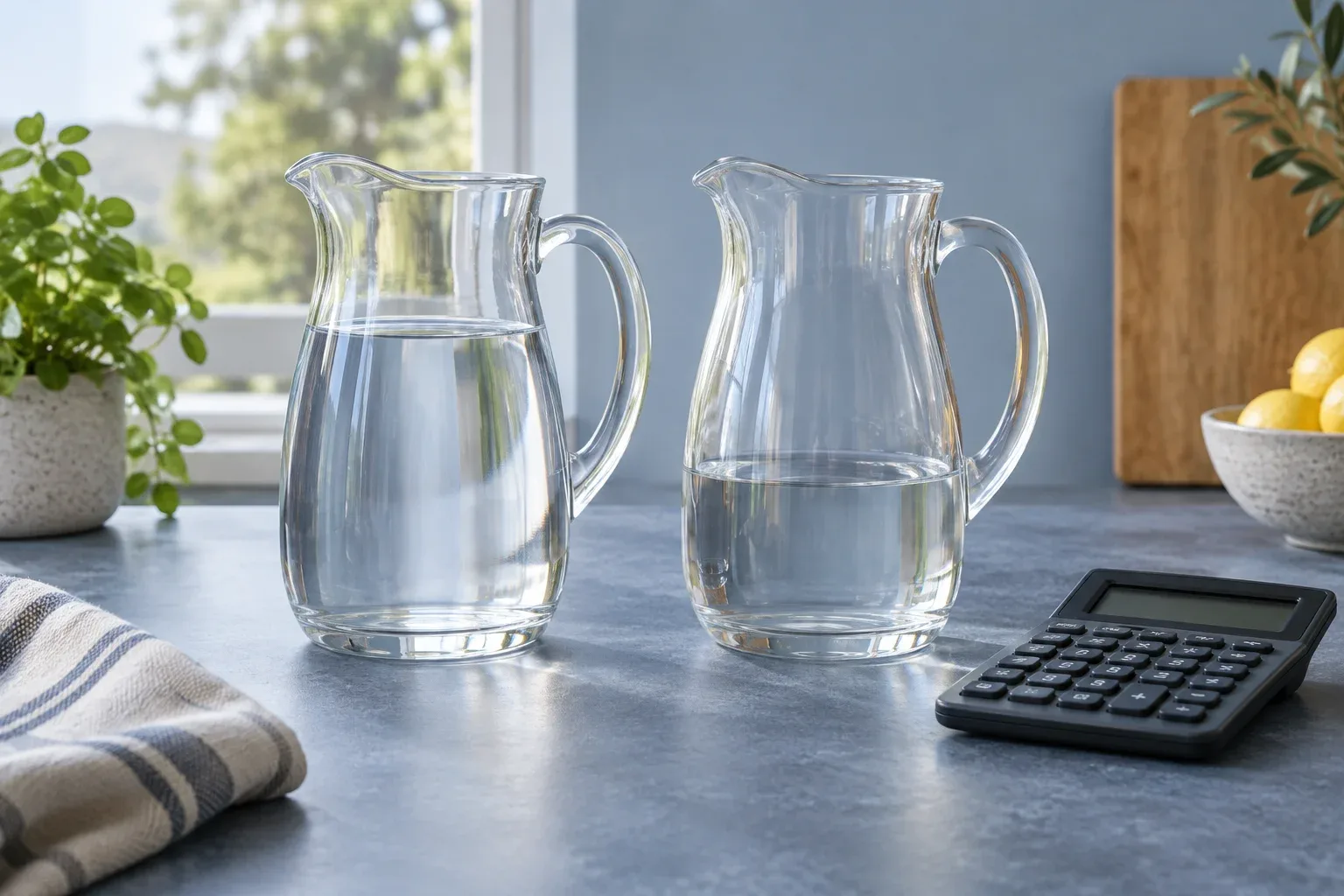
A steady 6 L/hour loss reaches 4.32 m³ in thirty days.
Illustrative controlled-meter finding; assumes uninterrupted loss over the period.
Quantify a continuous loss
If a controlled one-hour check records 6 litres of unexplained use, the equivalent steady rate is 0.1 litre per minute. If it continues all day, it totals 144 litres daily. Over 30 days that is 4,320 litres or 4.32 m³. At an illustrative avoidable tariff of 3 per m³, the consumption charge would be 12.96 before any other fees.
Check outdoor operation while visible
Run each irrigation zone briefly while you can observe it. Look for water on paving, damaged outlets, leaking connectors and valves that do not fully shut. Compare actual runtime with programmed runtime. An unattended timer error can create a regular loss that is difficult to notice from a quick daytime inspection of an inactive system.
Verify after repair
Repeat the same controlled measurement and confirm the symptom has stopped. Keep before-and-after readings, repair date and equipment details. If consumption remains unexplained, escalate instead of declaring success from a replaced washer alone. Monthly whole-house totals can support the follow-up, but changing weather and occupancy must be considered before assigning every difference to the repair.
Waste-investigation checklist
- Record symptoms.
- Account for automatic uses.
- Choose a known meter interval.
- Calculate loss in consistent units.
- Observe every irrigation zone.
- Arrange appropriate repairs.
- Repeat the original check.
- Document the result.
- Investigate remaining unexplained consumption rather than assuming the first visible fault was the only one.