 WaterCalcLab
Calculate smarter.
Save more water.
Plan your rainwater harvesting system, calculate irrigation needs, and discover smarter ways to manage water.
Popular calculators
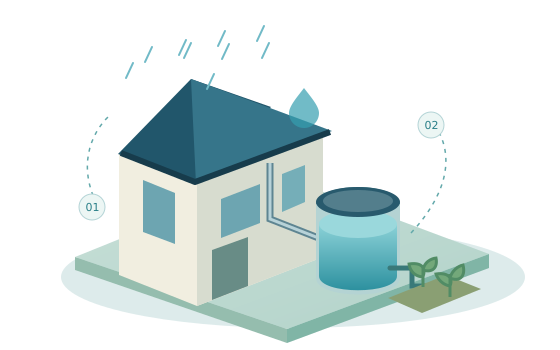
Rainwater Harvesting Calculator
Estimate catchment yield from horizontal roof area and period rainfall. One millimetre on one square metre is one litre.
Open calculator ↗Water storageRainwater Tank Size Calculator
Size usable storage for a chosen rainless interval and compare annual supply with constant annual demand. Rainfall here must be annual.
Open calculator ↗Garden irrigationGarden Water Requirement Calculator
Apply an ET?/Kc water balance for a garden hydrozone. ET? is a daily input, not calculated weather data.
Open calculator ↗Rainwater harvesting
From rooftop to resource. Understand the water your roof can collect.
Explore topic →Garden irrigation
Give every garden the water it needs. Plan around your soil, crops and weather.
Explore topic →Water storage
Find a useful capacity. Connect water supply with your actual demand.
Explore topic →Better decisions.
One calculation away.
Move from a question to a clear planning scenario. Every result comes with the method behind it.
Our methodology →Choose your tool
Start with collection, irrigation or storage.
Make it local
Enter your measurements and local weather data.
Understand your result
Compare scenarios, review assumptions, and print your plan.
Featured guides
 Rainwater harvesting
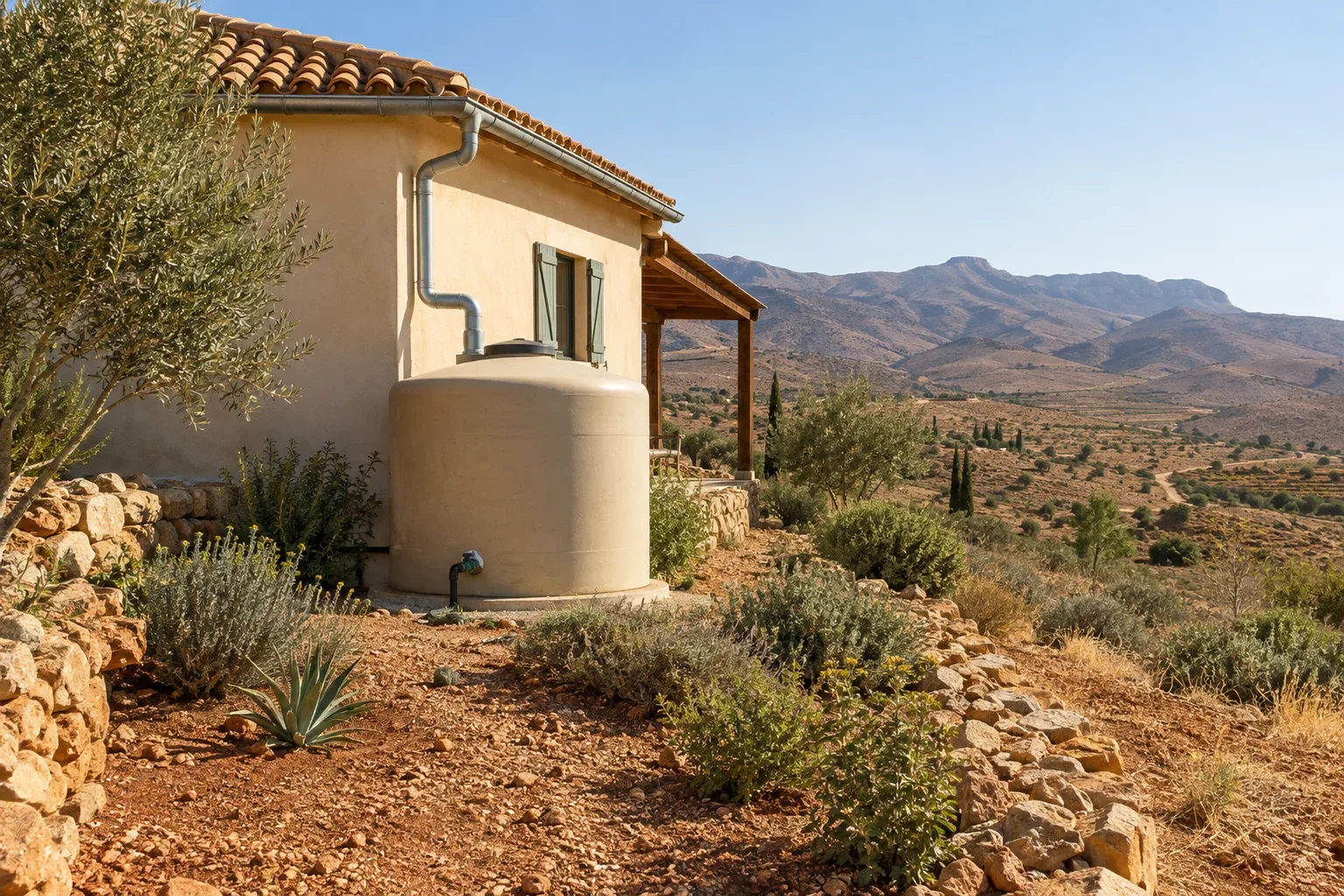
Rainwater Harvesting in Dry Climates
In a dry climate, a useful annual rainfall total can still arrive in a few events separated by long rainless periods. Describe the longest relevant gap and which uses must continue through it. Decide whether rainwater is a supplemental source or a supply expected to meet essential demand. These two objectives lead to very different acceptable risks and storage requirements.
Read guide ↗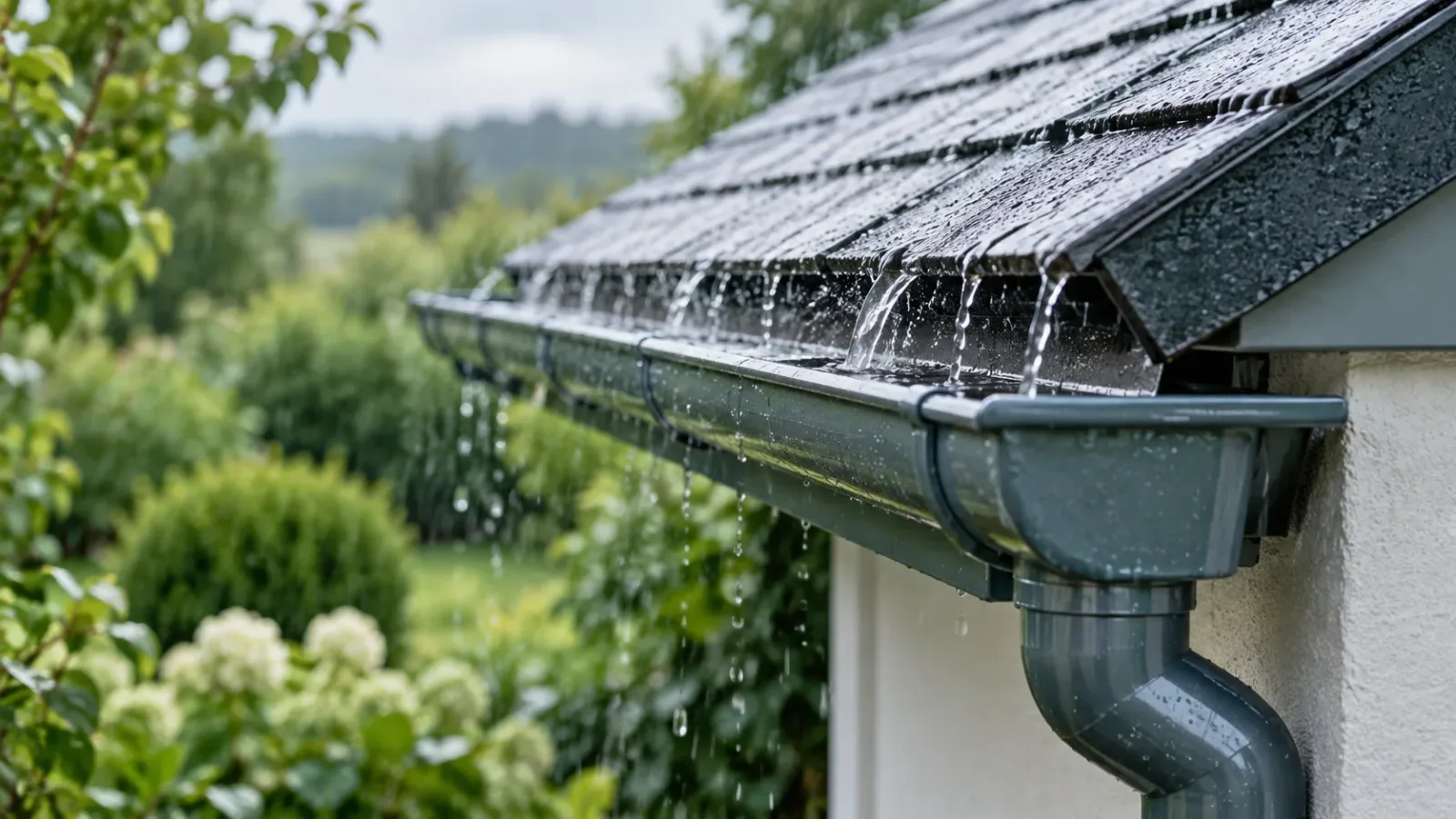 Rainwater harvesting
Best Roof Types for Rainwater Collection
The best roof for a project is not necessarily the roof with the highest estimated runoff. Start with its condition, maintenance access, material documentation and intended water use. Replacing a serviceable roof solely to increase yield requires a separate financial and environmental comparison. Collection equipment should not conceal a deteriorating roof or prevent necessary repairs.
Read guide ↗ Costs & savings
Water Conservation at Home
List regular activities and any fixtures or equipment involved. Record occupancy and separate indoor use from irrigation where possible. Meter readings reveal the whole-home total; event measurements explain where it goes. Focus first on avoidable use that can be changed without compromising necessary hygiene, health or the performance of essential equipment.
Read guide ↗Latest articles
Costs & savingsCommon Water Waste Problems
Unexpected bills, damp areas, dripping fixtures and irrigation running after shutdown can signal unnecessary consumption. Start with an observation log including time and which equipment was operating. Avoid assuming every damp patch is a pipe leak; rainfall, drainage and other causes can produce similar symptoms. Investigate systematically before choosing a repair.
Read guide ↗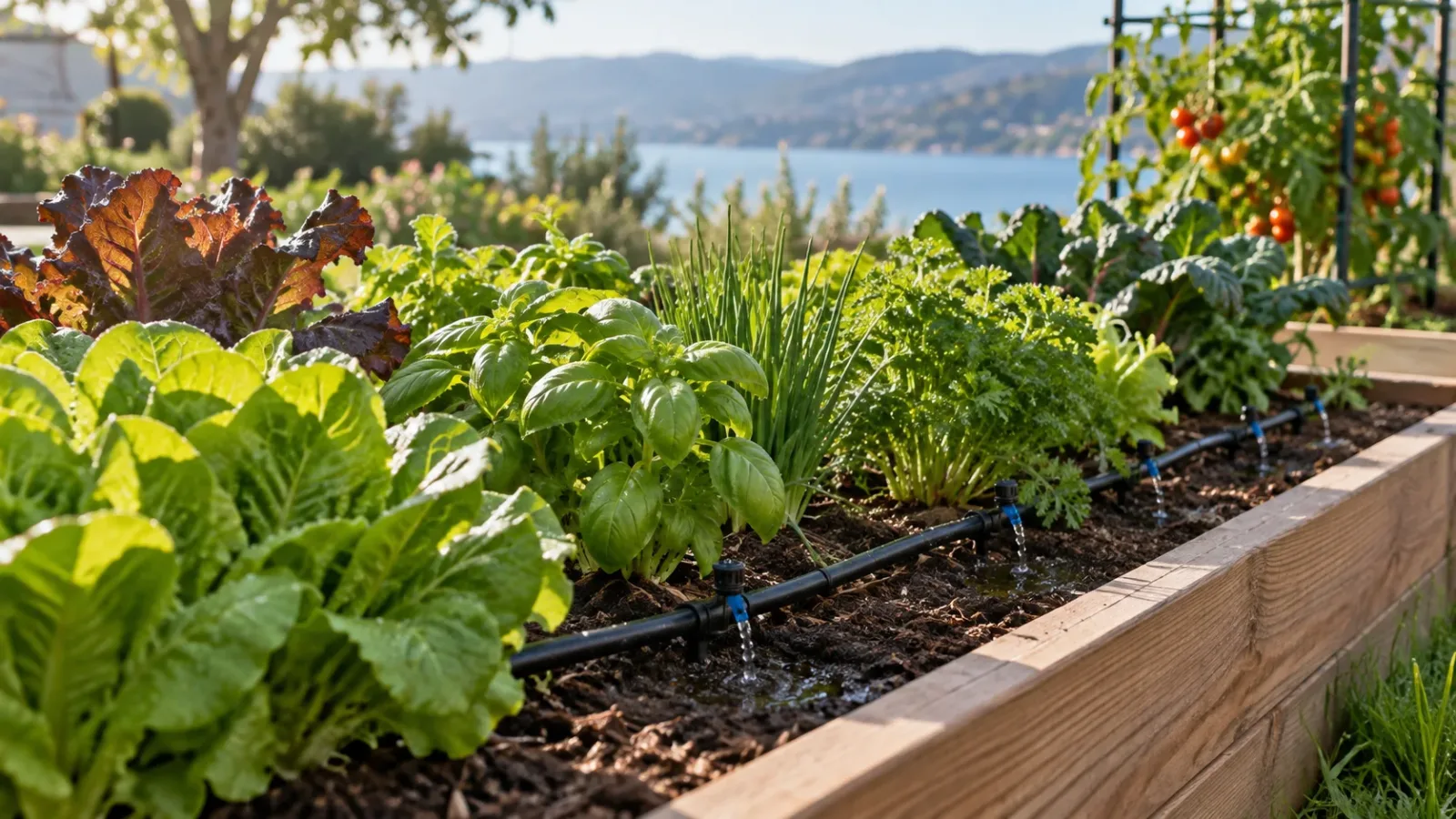 Garden irrigation
Common Irrigation Planning Mistakes
An area-based water volume is only the beginning. A working plan also needs outlet placement, operating pressure, flow, runtime and a watering window. Draw the route from source to each zone and note elevation changes. A calculator can produce a correct volume while the installation still fails to distribute it to the plants that require it.
Read guide ↗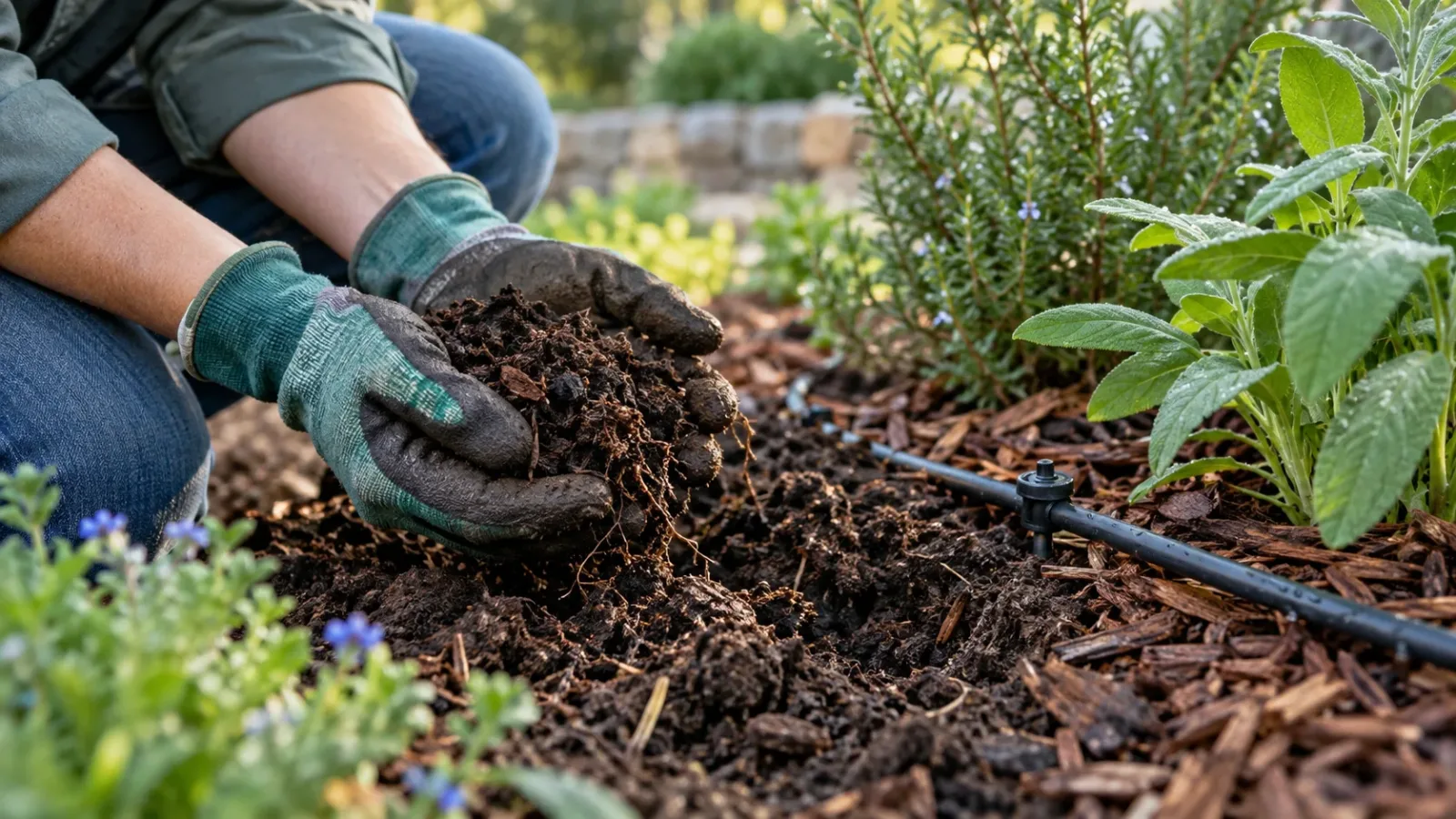 Garden irrigation
How to Reduce Garden Water Consumption
Record watering events, measured flow and runtime by zone. Note rainfall, weather and plant condition. A bill for the whole house mixes garden use with other consumption, so a submeter or event log can be useful. Establish which zones consume most before buying hardware; a small low-use bed offers less volume-saving opportunity than a poorly controlled large zone.
Read guide ↗Frequently asked questions
Are the calculators free to use?
Yes. All available planning tools work without an account.
What data should I use?
Use your measured roof or garden area and rainfall data for your location. Preset values are illustrative examples.
Can a yearly estimate choose my tank?
Annual totals show potential collection. Tank reliability also depends on rainfall timing, storage capacity and demand patterns.