 WaterCalcLab
Water Usage Comparison Calculator
Compare two measured or modeled volumes for the same period, population and use case.
Your result
Bars compare only results in the same unit group. They are normalized, not a time-series forecast.
Planning result based on your inputs.
How this tool works
Compare two measured or modeled volumes for the same period, population and use case.
reduction = baseline − proposed; percent = reduction/baseline × 100Example calculation
The prefilled form is a worked example. Its base-unit inputs and expected outputs are shown below; use the reset button to restore it.
| Input | Example |
|---|---|
| Baseline use | 50000 |
| Proposed use | 35000 |
| Avoidable volumetric price | 3 |
Frequently asked questions
How should I choose the inputs?
Use measurements and local records for the stated period. All preset values are illustrative examples, not recommendations.
What does this result leave out?
A comparison is meaningful only with equivalent periods and weather context. Fixed charges do not fall with volume.
Continue your plan
Rainwater Savings Calculator
Bound potential mains replacement by both available rainwater and eligible demand in the same period.
Open calculator ↗Costs & savingsWater Cost Calculator
Calculate a single volumetric tariff plus a fixed charge in the same billing period.
Open calculator ↗Costs & savingsRainwater ROI Calculator
Estimate simple annual payback using eligible annual demand and actually available annual supply.
Open calculator ↗Related reading
 Costs & savings
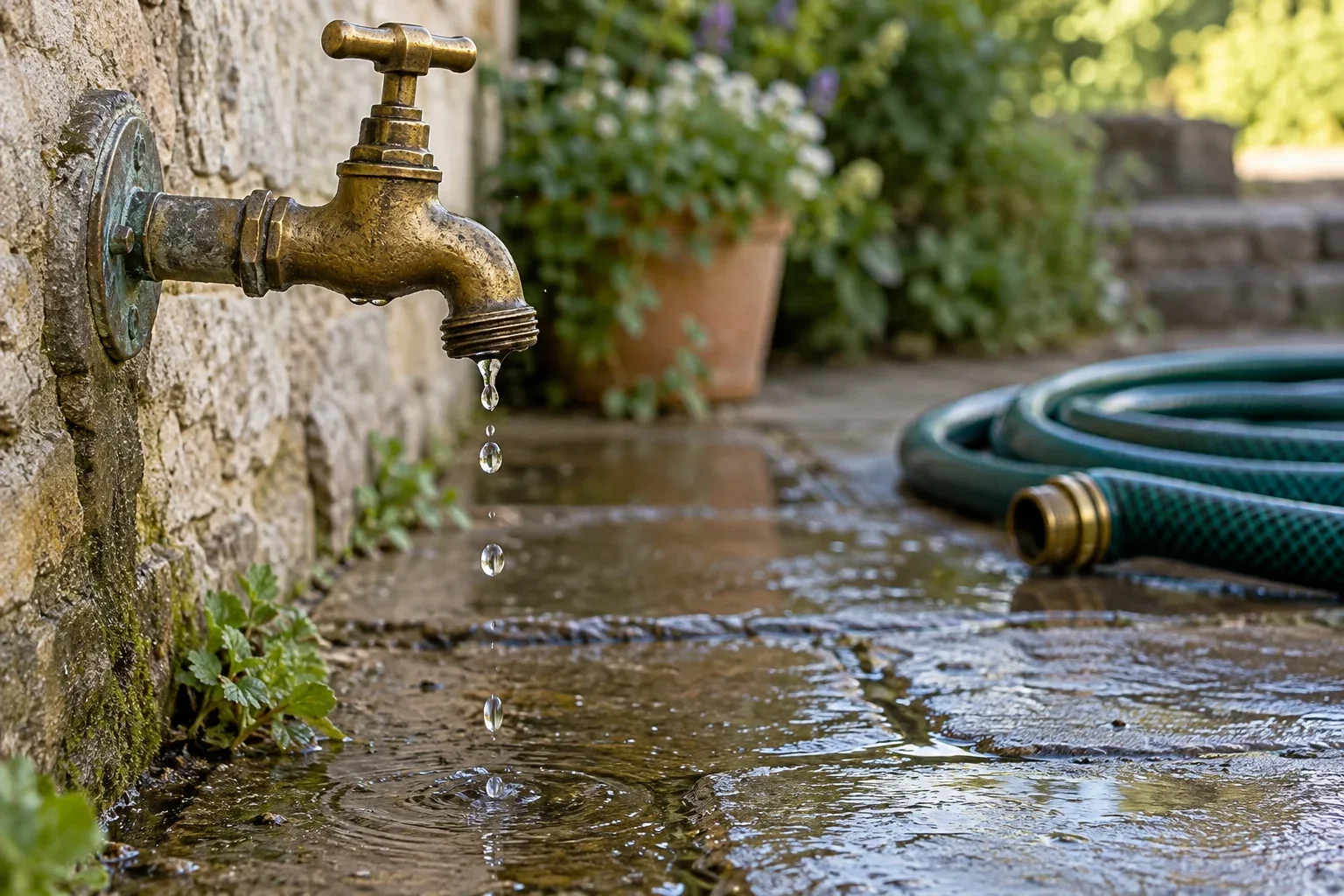
Common Water Waste Problems
Unexpected bills, damp areas, dripping fixtures and irrigation running after shutdown can signal unnecessary consumption. Start with an observation log including time and which equipment was operating. Avoid assuming every damp patch is a pipe leak; rainfall, drainage and other causes can produce similar symptoms. Investigate systematically before choosing a repair.
Read guide ↗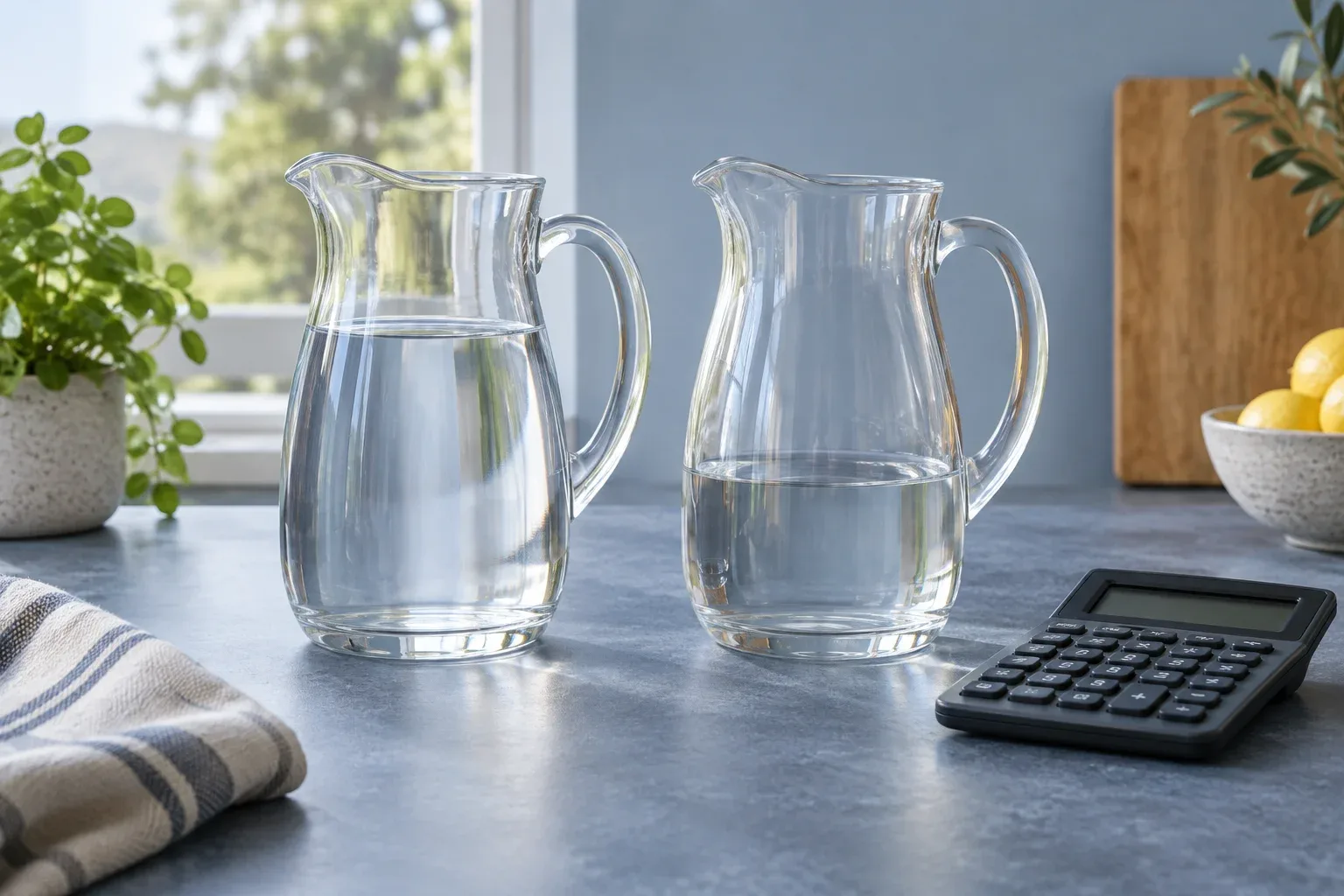 Costs & savings
How to Calculate Water Savings
Decide whether savings mean less utility water, less total water used or lower expenditure. Rainwater substitution can reduce utility demand without reducing total garden use. More efficient irrigation may reduce both. Keep these measures separate so one benefit is not counted twice. Describe the baseline and the proposed change before presenting a percentage.
Read guide ↗ Garden irrigation
How to Reduce Garden Water Consumption
Record watering events, measured flow and runtime by zone. Note rainfall, weather and plant condition. A bill for the whole house mixes garden use with other consumption, so a submeter or event log can be useful. Establish which zones consume most before buying hardware; a small low-use bed offers less volume-saving opportunity than a poorly controlled large zone.
Read guide ↗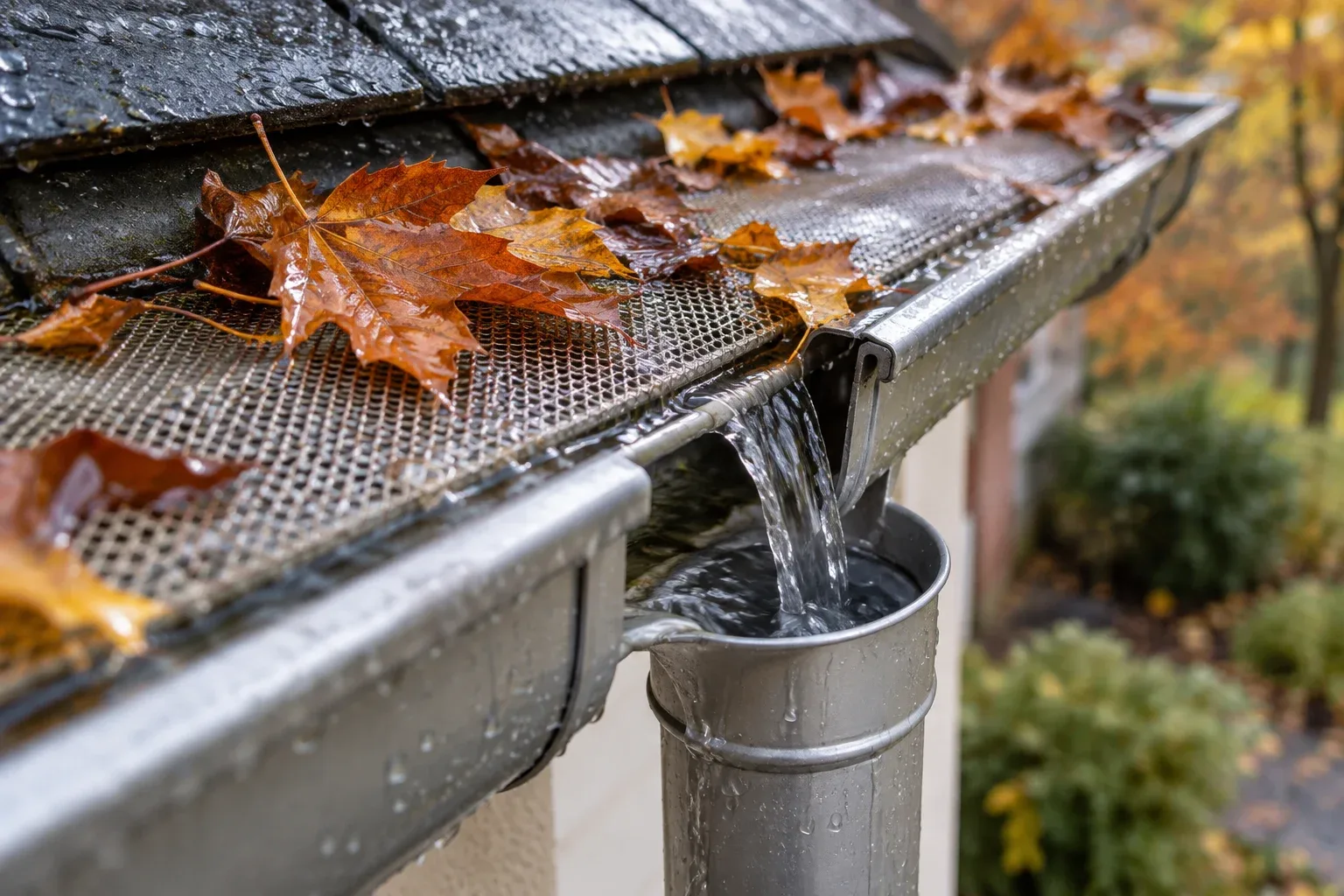 Rainwater harvesting
Rainwater Collection Efficiency Explained
An efficiency value needs a beginning and an end. Roof runoff relative to rainfall is different from tank inflow relative to roof runoff, and both differ from useful withdrawals relative to annual rainfall. Write the boundary beside every coefficient. Without that description, two apparently conflicting percentages may simply describe different stages of the same system.
Read guide ↗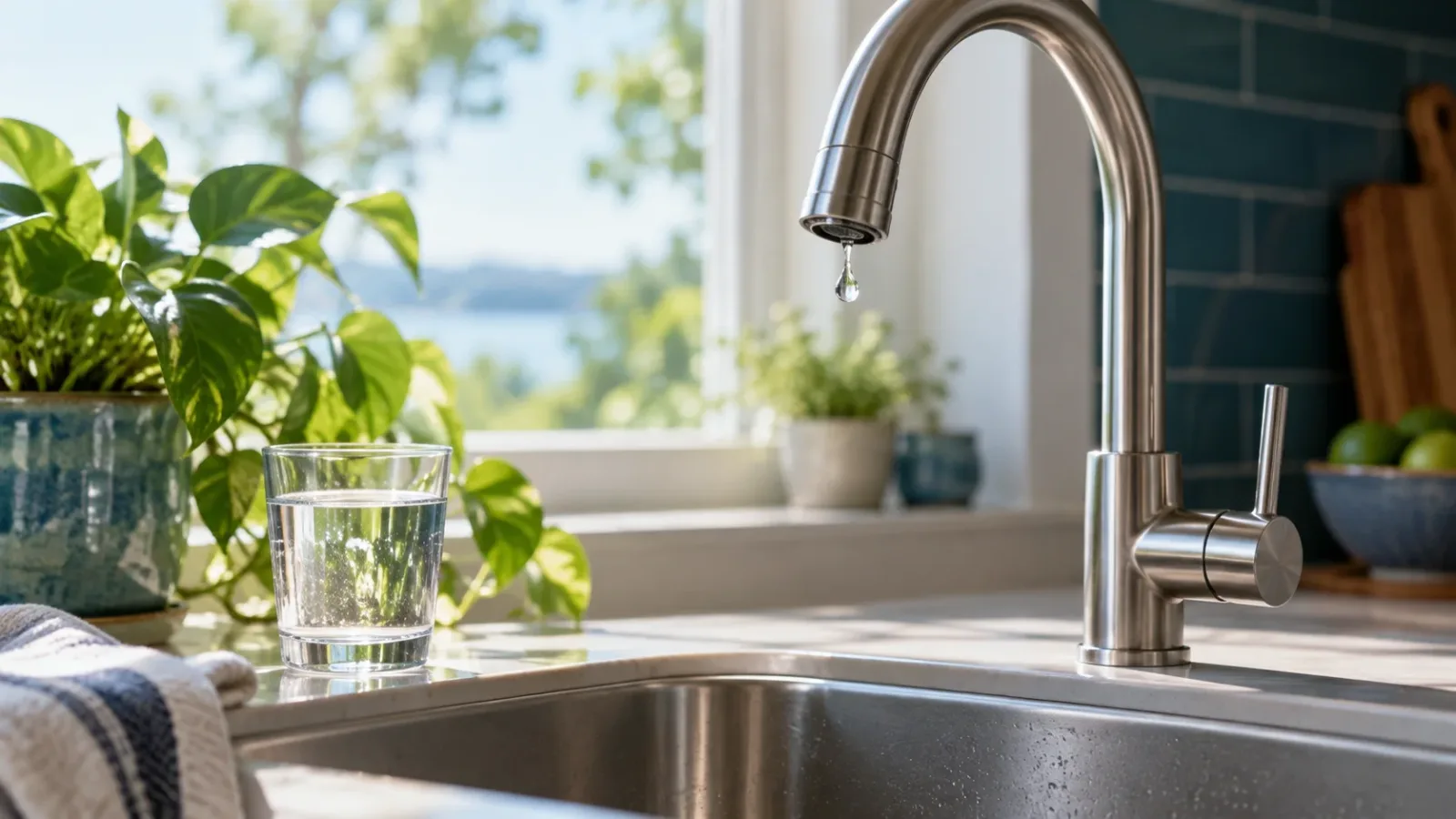 Costs & savings
Water Conservation at Home
List regular activities and any fixtures or equipment involved. Record occupancy and separate indoor use from irrigation where possible. Meter readings reveal the whole-home total; event measurements explain where it goes. Focus first on avoidable use that can be changed without compromising necessary hygiene, health or the performance of essential equipment.
Read guide ↗Sources & method references
Method version 1.0 · Last reviewed: 2026-10-10