 WaterCalcLab
Garden irrigation
Practical tools and clear methods for your next water decision.
Garden Water Requirement Calculator
Apply an ET?/Kc water balance for a garden hydrozone. ET? is a daily input, not calculated weather data.
Open calculator ↗Garden irrigationIrrigation Water Calculator
Convert a chosen net application depth into gross water volume with an explicit efficiency.
Open calculator ↗Garden irrigationDrip Irrigation Calculator
Calculate nominal zone flow and delivered volume from emitter count, measured emitter flow and runtime.
Open calculator ↗Garden irrigationSprinkler Runtime Calculator
Estimate runtime using the measured total flow of one zone and a chosen net dose.
Open calculator ↗Garden irrigationLawn Watering Calculator
Subtract effective rainfall from a locally chosen lawn dose before converting to volume.
Open calculator ↗Garden irrigationRaised Bed Water Calculator
Convert a selected water depth over the rectangular bed surface into a water volume.
Open calculator ↗Garden irrigationIrrigation Flow Rate Calculator
Use a timed bucket or meter measurement to calculate average flow.
Open calculator ↗Garden irrigationIrrigation Frequency Planner
Estimate root-zone depletion time using a simplified FAO-56 soil-water balance.
Open calculator ↗Knowledge & next steps
 Garden irrigation
Common Irrigation Planning Mistakes
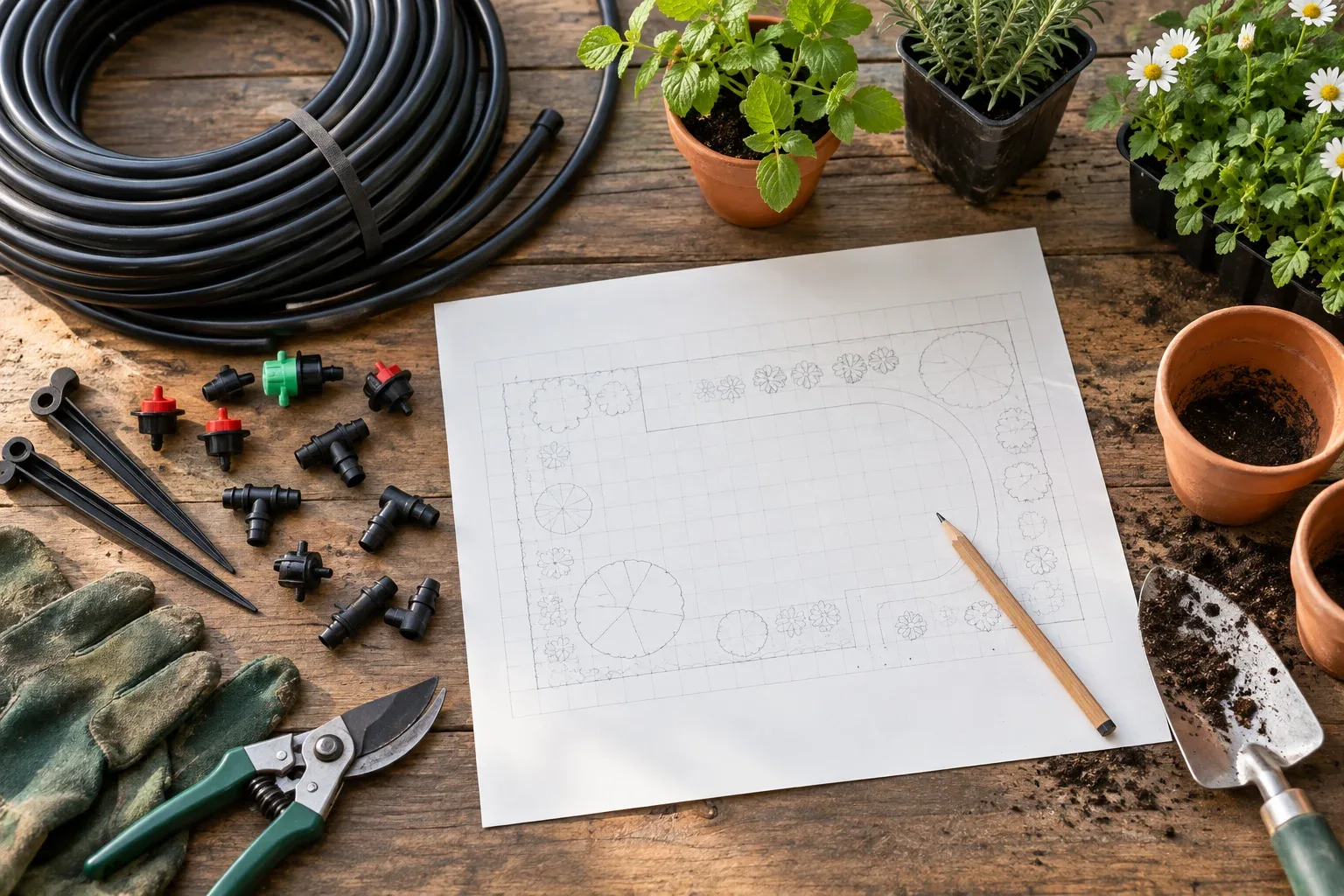
An area-based water volume is only the beginning. A working plan also needs outlet placement, operating pressure, flow, runtime and a watering window. Draw the route from source to each zone and note elevation changes. A calculator can produce a correct volume while the installation still fails to distribute it to the plants that require it.
Read guide ↗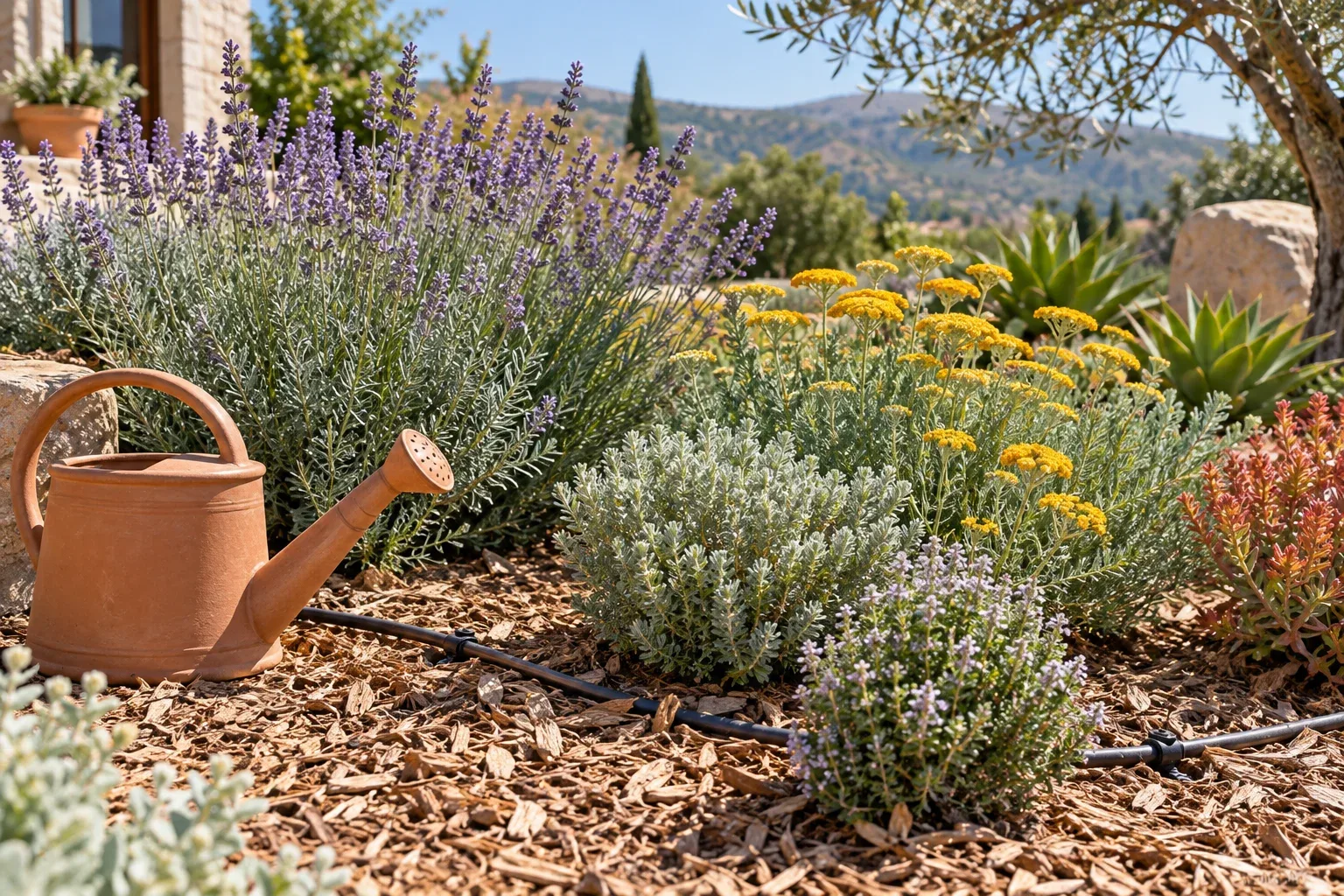 Garden irrigation
How to Reduce Garden Water Consumption
Record watering events, measured flow and runtime by zone. Note rainfall, weather and plant condition. A bill for the whole house mixes garden use with other consumption, so a submeter or event log can be useful. Establish which zones consume most before buying hardware; a small low-use bed offers less volume-saving opportunity than a poorly controlled large zone.
Read guide ↗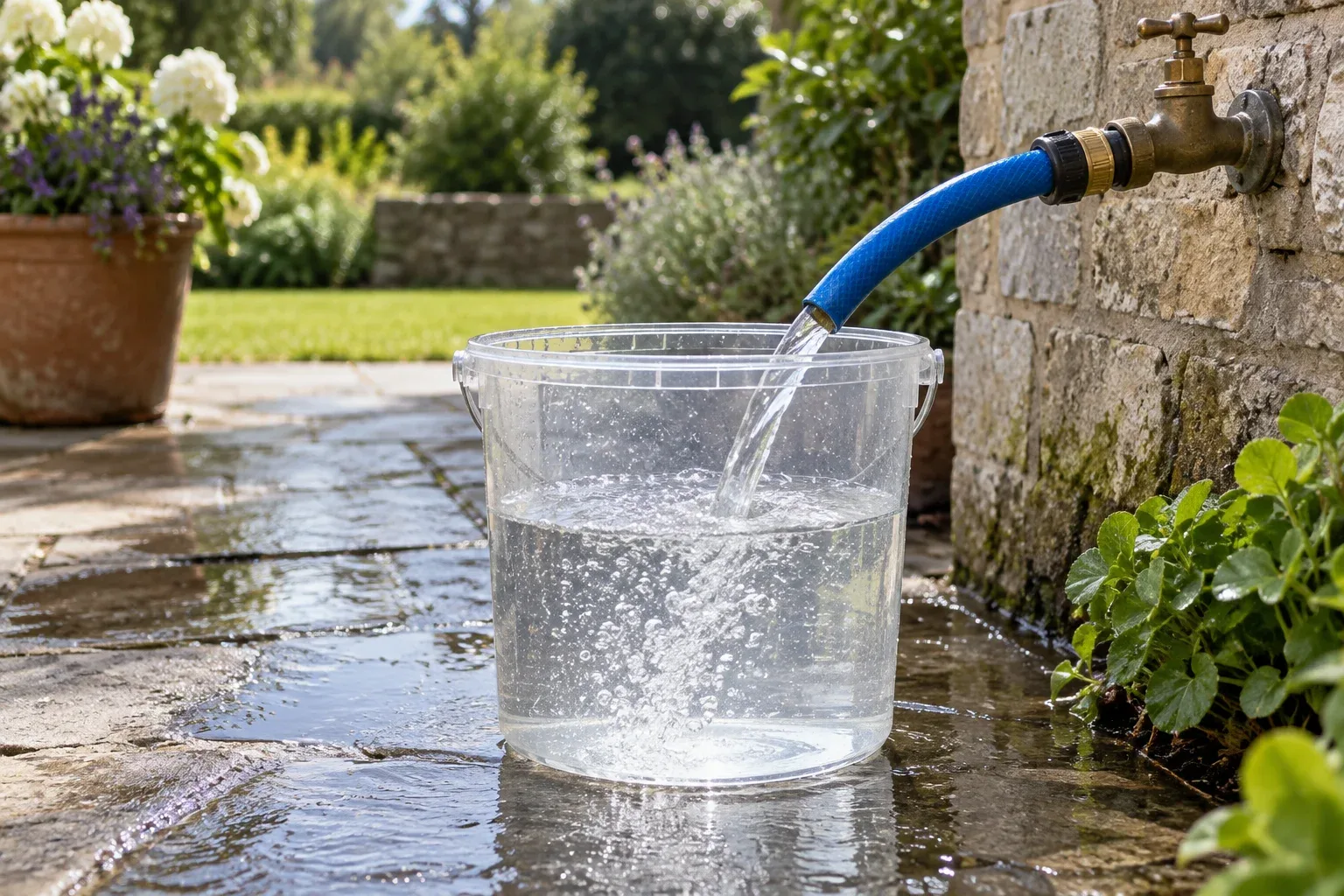 Garden irrigation
Understanding Irrigation Flow Rates
Flow rate tells you how quickly water moves, not whether plants need that amount or whether pressure is adequate. Keep litres per minute distinct from litres per hour. A zone total is the combined demand of the outlets operating together. Read product ratings at the stated operating pressure and do not assume every outlet reaches its label flow under every installation condition.
Read guide ↗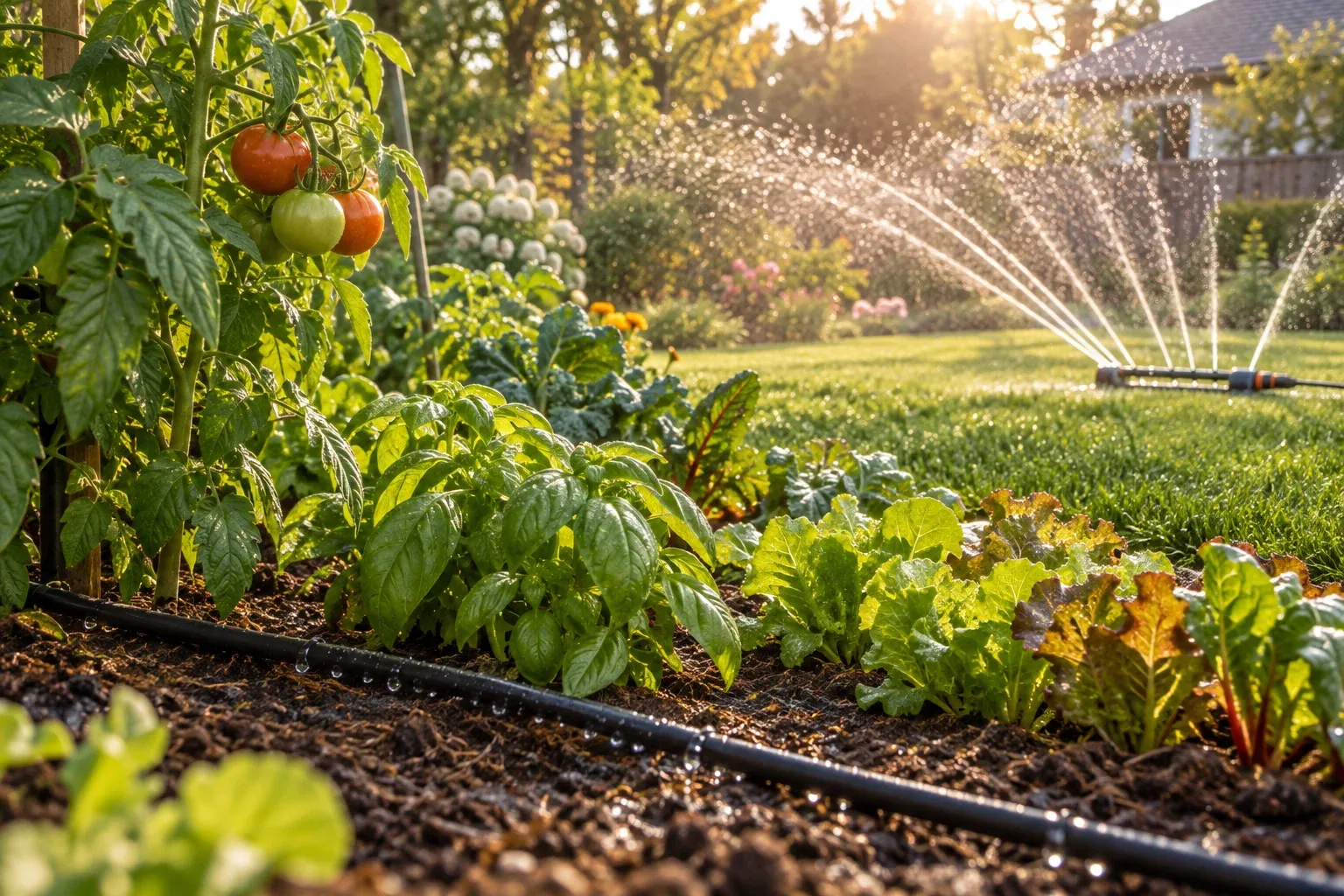 Garden irrigation
Drip Irrigation vs Sprinklers
Compare methods for the same planted area and required root-zone water. Drip can suit rows and individual plants; sprinklers can serve continuous areas where their distribution is appropriate. The comparison should include installation, filtration, pressure, maintenance and how planting changes over time. Do not select a method by quoting a universal savings percentage detached from the actual site.
Read guide ↗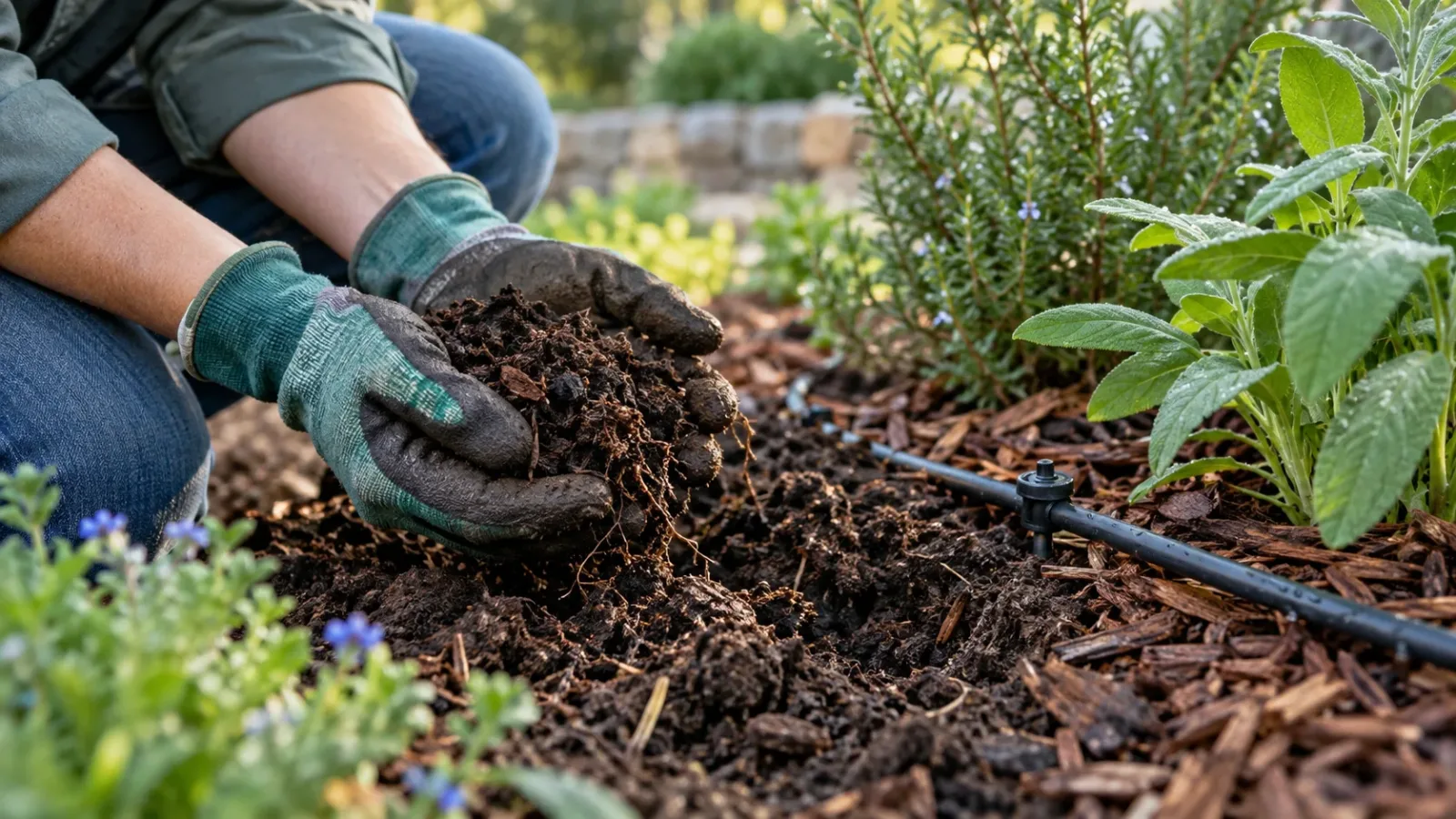 Garden irrigation
Watering Different Soil Types
Texture helps describe water retention and movement, but rooting depth, compaction, organic matter, slope and current wetness also matter. Identify the soil in each relevant bed rather than assuming the whole property is uniform. Use observation or appropriate testing. A soil label alone cannot justify an exact interval for every plant and weather condition.
Read guide ↗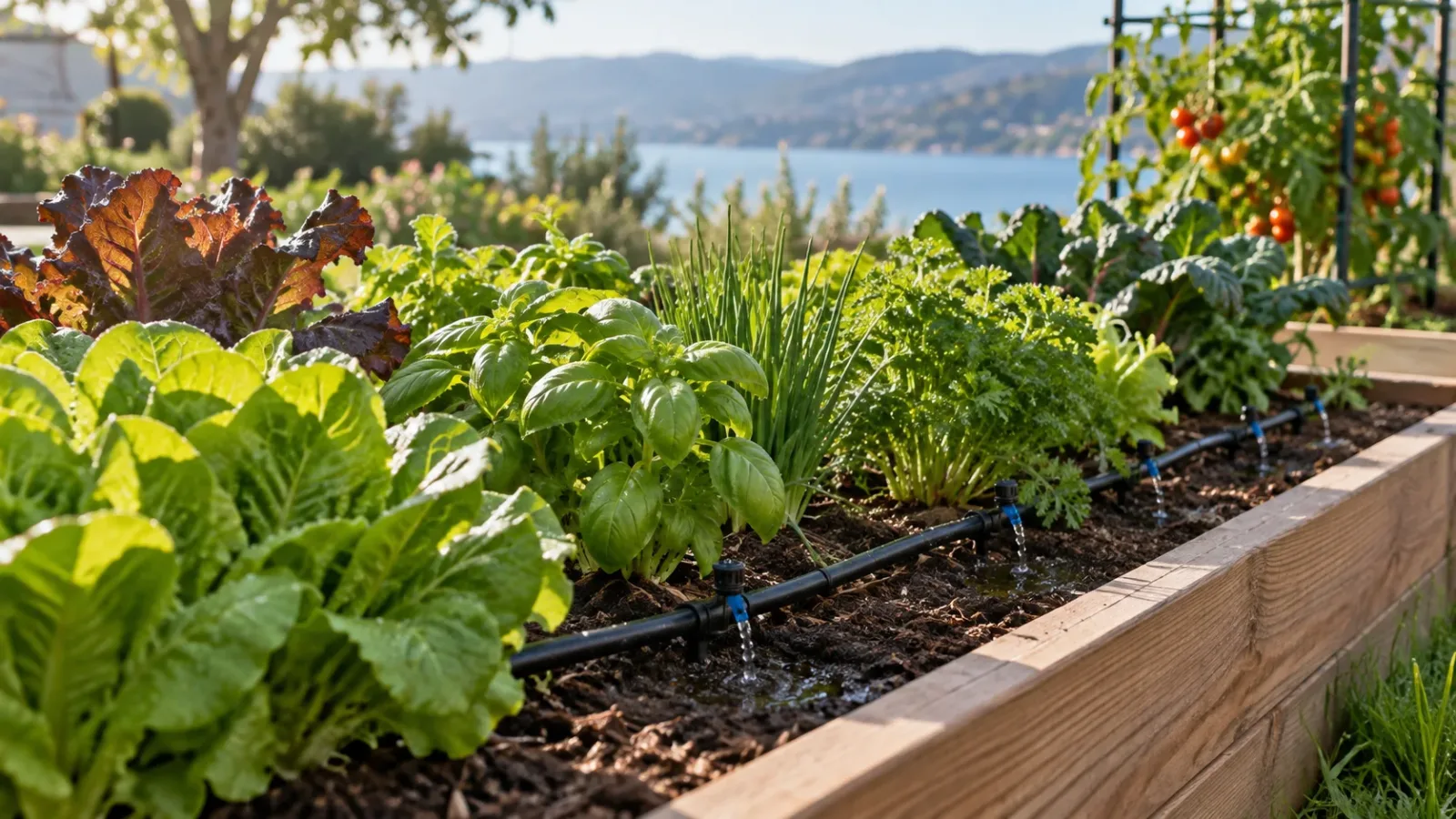 Garden irrigation
How Much Water Does a Garden Need?
Measure the beds actually being irrigated and choose a period such as one week. Exclude paved paths from the watered area unless overspray is being measured as a loss. Separate plants with different needs rather than applying one garden-wide depth without explanation. A container, vegetable bed and mature shrub zone may need different schedules even on the same property.
Read guide ↗