WaterCalcLab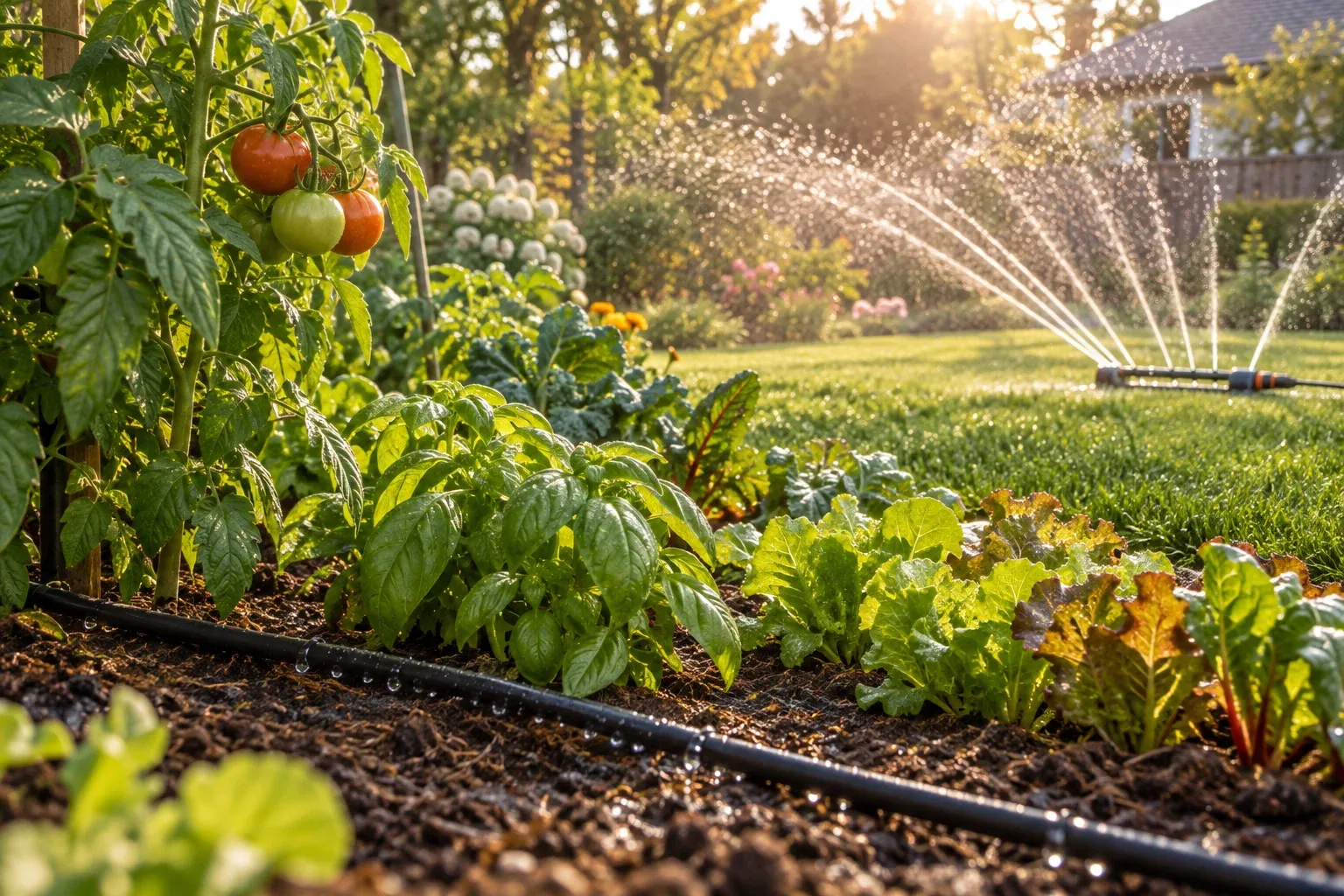
Match the method to the planting
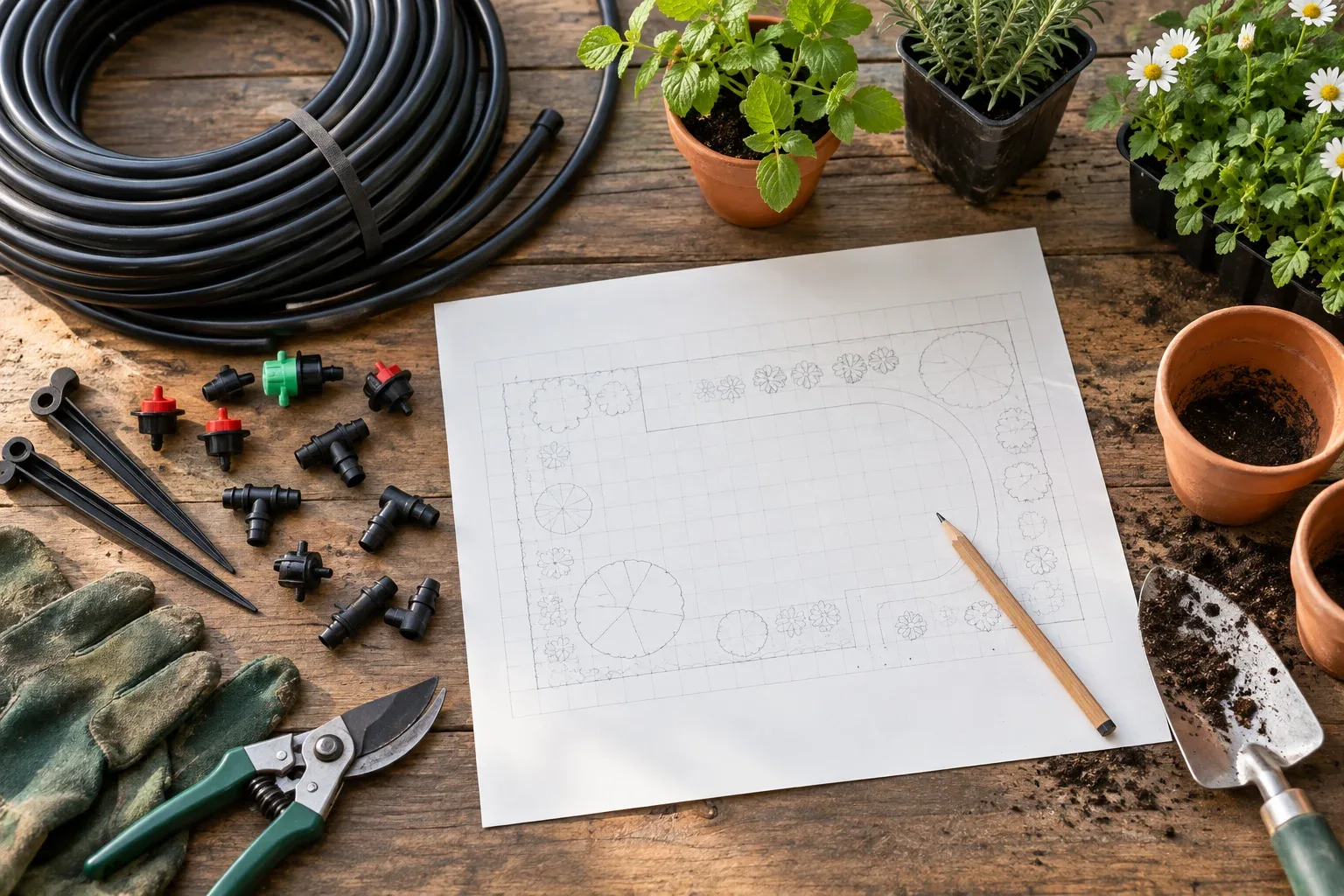
Compare methods for the same planted area and required root-zone water. Drip can suit rows and individual plants; sprinklers can serve continuous areas where their distribution is appropriate. The comparison should include installation, filtration, pressure, maintenance and how planting changes over time. Do not select a method by quoting a universal savings percentage detached from the actual site.
Compare equal useful water
If a bed needs an illustrative net 360 litres, an assumed drip efficiency of 0.90 requires 400 litres gross. An assumed sprinkler efficiency of 0.75 requires 480 litres. The scenario difference is 80 litres per cycle, or about 16.7 percent of the sprinkler gross volume. These assumed efficiencies demonstrate the method; measured performance may produce a different result.
This scenario saves 80 L, or 16.7% of sprinkler gross volume.
360 L net need; efficiencies are assumptions, not guaranteed product performance.
Runtime comes from flow as well as volume
Forty emitters rated at 2 litres per hour total 80 litres per hour at their specified operating conditions. Supplying 400 litres takes five hours. A sprinkler zone flowing at 12 litres per minute supplies 480 litres in 40 minutes. Shorter runtime does not demonstrate lower water use: the flow rates are very different.
Inspect distribution, not just the total
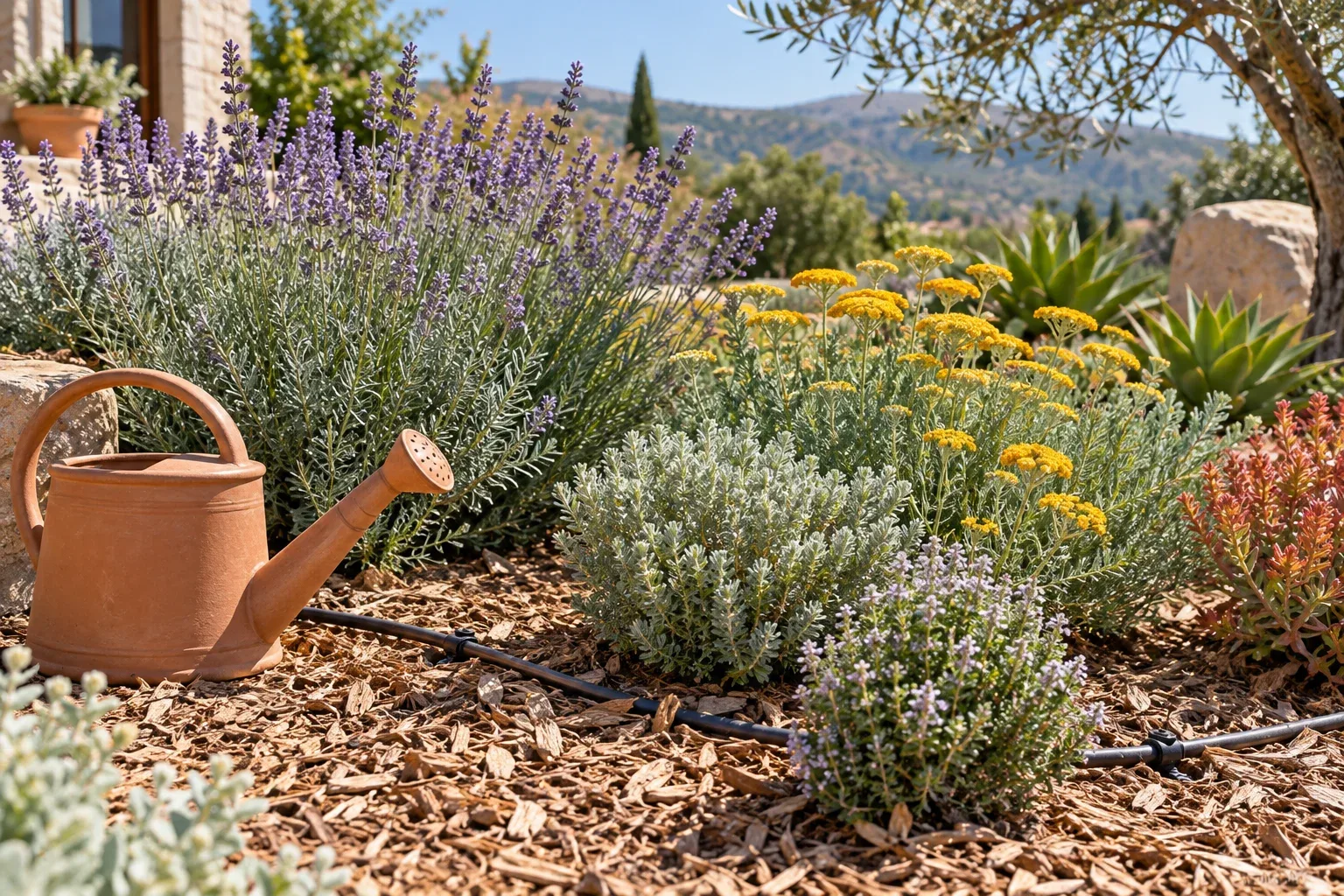
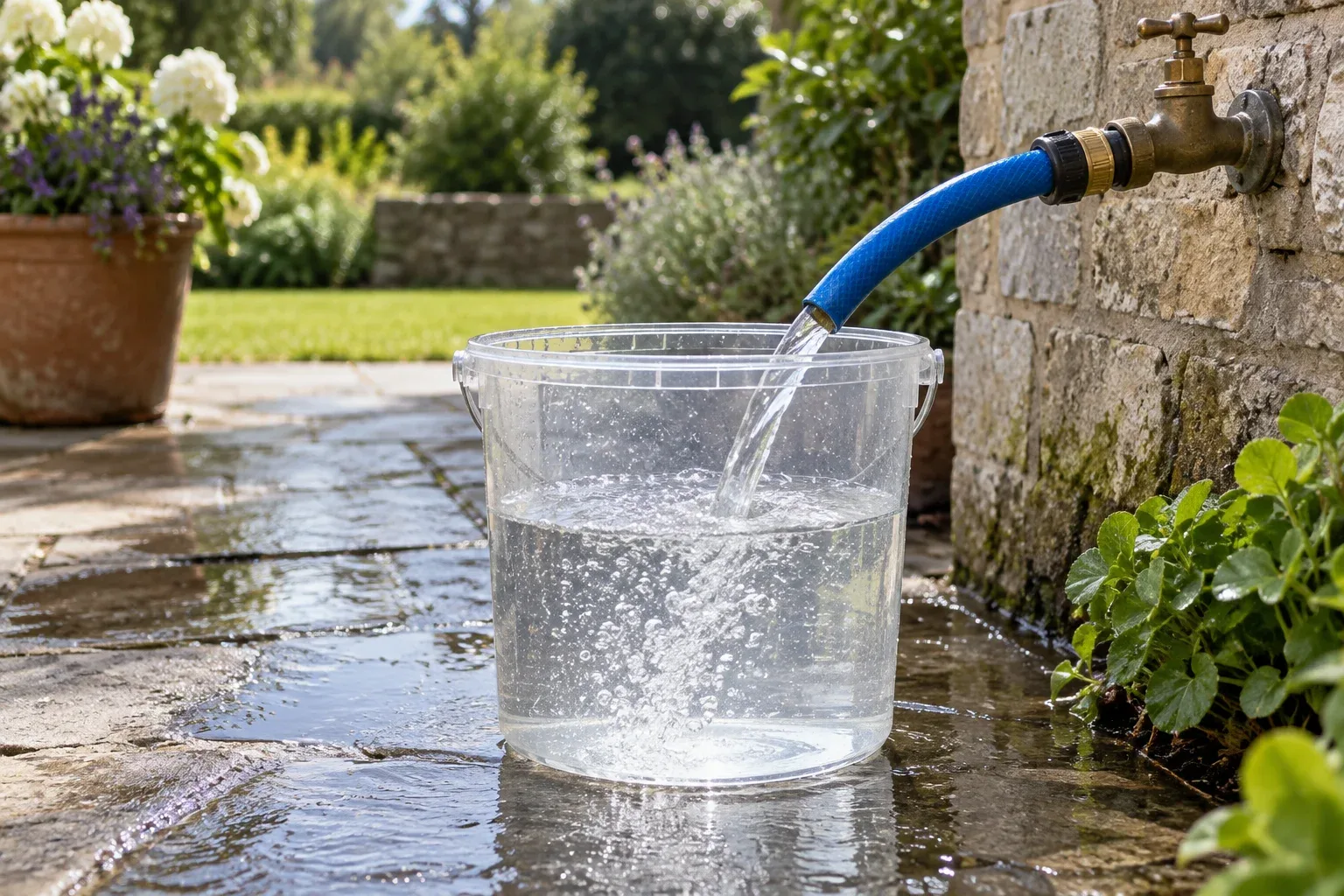
Check representative emitters and use catch containers for sprinkler distribution. A blocked drip outlet can leave one plant dry while total flow looks plausible. A sprinkler can wet paths or distribute unevenly in wind. Avoid correcting one dry patch by extending the entire zone automatically. Identify the reason for uneven delivery and address it directly.
Consider practical upkeep
Ask how filters are cleaned, lines flushed and damaged parts replaced. Consider access during cultivation and whether equipment is compatible with rainwater supply. Pressure requirements must match the actual source; a gravity barrel is not automatically suitable for a product designed for pressurized operation. EPA recommends system inspection and adjustment, which remain necessary with either method.
Method-comparison checklist
- Compare the same net requirement.
- Mark efficiency values as assumptions.
- Calculate each flow separately.
- Test distribution.
- Account for filtration and operating pressure.
- Include maintenance costs.
- Check compatibility with planting layout.
- Review measured water use after installation.